
 English
 Portugues
 Türk dili
 Tiếng Việt
Огнестойкий нетканый материал
Fire-Resistant Nonwoven Fabric Material Fire-resistant nonwoven fabric is a specialized material designed to withstand high temperatures, resist ignition, and slow down the spread of flames. It is widely used in industries such as construction, automotive, aerospace, and protective clothing due to its excellent thermal stability and safety features. Unlike traditional woven fabrics, nonwoven fabrics are manufactured by bonding fibers together mechanically, chemically, or thermally, resulting in a lightweight yet durable structure with enhanced fire-resistant properties. Key Characteristics 1. Flame Retardancy – The fabric is treated with flame-retardant chemicals or made from inherently fire-resistant fibers such as aramid, modacrylic, or oxidized polyacrylonitrile (PAN). These materials self-extinguish when exposed to flames, preventing combustion and reducing fire hazards. 2. High Thermal Resistance – The material can endure extreme heat without melting or degrading, making it suitable for applications near heat sources or in high-temperature environments. 3. Low Smoke and Toxicity – High-quality fire-resistant nonwovens produce minimal smoke and toxic fumes when exposed to fire, ensuring safer evacuation and reduced health risks. 4. Lightweight and Flexible – Despite its protective qualities, the fabric remains lightweight and flexible, allowing for easy handling and integration into various products. 5. Durability – The nonwoven structure provides excellent resistance to wear, tear, and chemical exposure, ensuring long-term performance. Applications - Protective Clothing – Used in firefighting suits, industrial workwear, and military uniforms to shield wearers from heat and flames. - Construction and Insulation – Acts as a thermal barrier in buildings, preventing fire spread in walls, ceilings, and HVAC systems. - Automotive and Aerospace – Used in vehicle interiors, aircraft components, and battery insulation to enhance fire safety. - Filtration and Industrial Uses – Employed in high-temperature filtration systems and industrial machinery to prevent fire risks. Manufacturing Process Fire-resistant nonwoven fabrics are produced through processes such as needle-punching, spunbonding, or meltblowing. Flame-retardant additives may be incorporated during fiber formation or applied as coatings. The final product undergoes rigorous testing (e.g., ASTM, EN, or ISO standards) to ensure compliance with fire safety regulations. Conclusion Fire-resistant nonwoven fabric is a critical material for modern safety applications, combining superior flame resistance with versatility and durability. Its ability to protect lives and property makes it indispensable in industries where fire hazards are a concern. Continuous advancements in fiber technology and manufacturing processes further enhance its performance, ensuring its role as a key component in fire prevention and protection systems.
продукт
классификация:
-
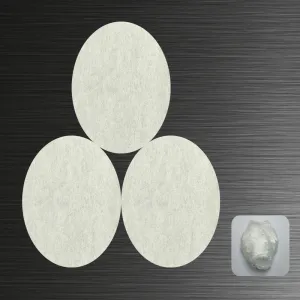
Цена нетканого материала из полиэфирного волокна
Их классификация: Электрическое огнестойкое нетканое полотномнения: 15номер:Время выпуска: 2025-12-03 09:55:22Нетканый материал из полиэфирного волокна — это универсальный, высокоэффективный материал, широко используемый в промышленности, медицине, автомобилестроении, фильтрации и потребительском применении. В отличие от тканого или трикотажного текстиля, нетканые материалы изготавливаются путем прямого соединения волокон посредством механических, термических или химических процессов, в результате чего получается легкий, прочный и однородный материал.
новости
классификация:
-
[Company News]Каковы методы настройки цвета нетканых материалов?
2025-12-03 14:04:11
случай
классификация:
Нет результатов поиска!
видео
классификация:
Нет результатов поиска!
скачать
классификация:
Нет результатов поиска!
вербовка
классификация:
Нет результатов поиска!
Рекомендуемые продукты
Нет результатов поиска!



 телефон